
Field note #1: Silencing
Thoughts on future architects, accidental Bond villains, and the quiet disappearance of voices

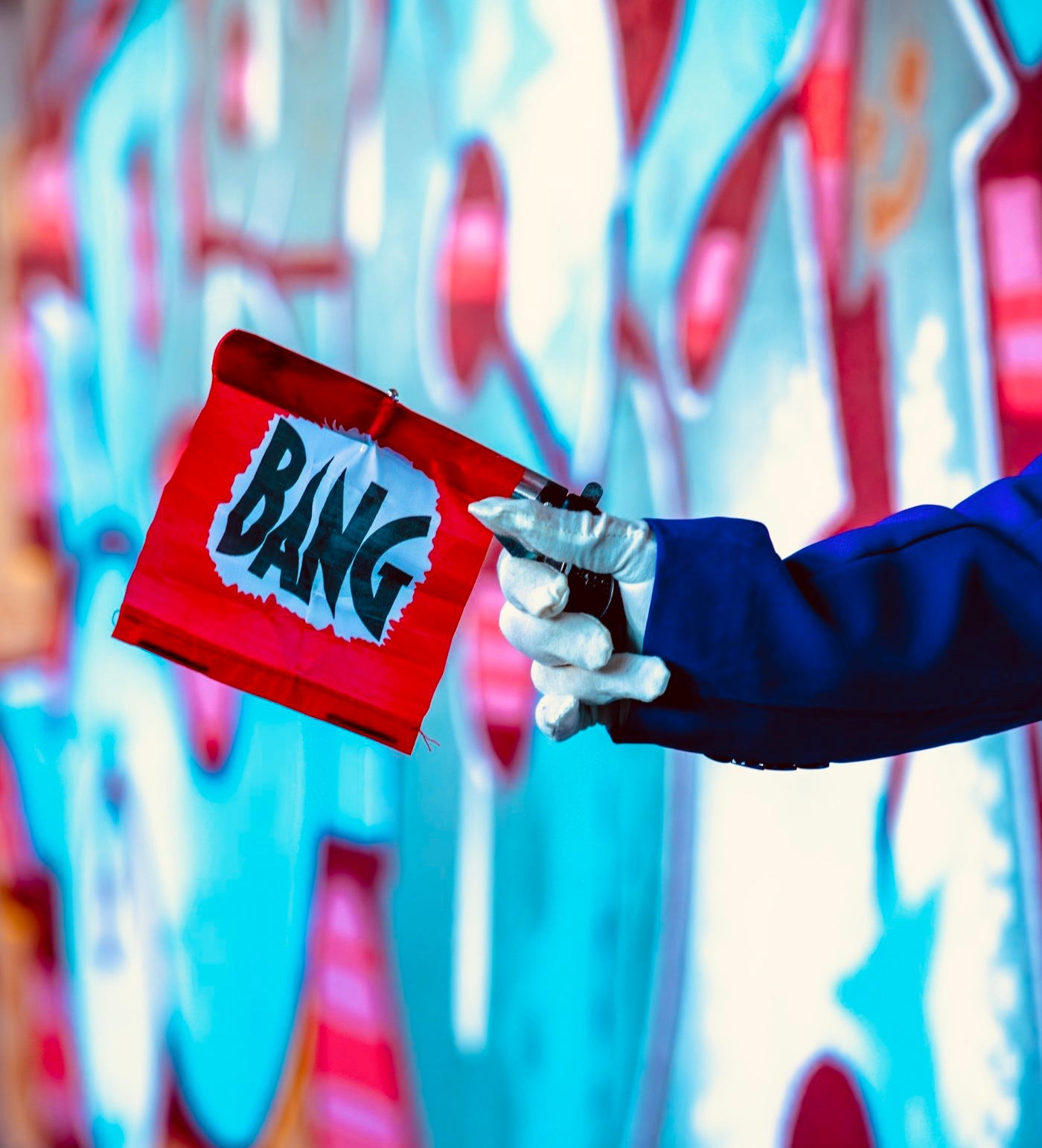
It is all over the news. Millions of books are collected, cut up, scanned and destroyed. It is difficult to imagine a better Bond or Marvel villain than this.
Given the document that has been leaked - can you imagine the conversations taking place in the rooms at the same time?
If you can imagine a world where all knowledge is owned and controlled - what other ways of making voices invisible could you imagine?
Would we even notice if we were being silenced?
Platforms and algorithms already decide what we are exposed to. Right now, LinkedIn is rolling out a feature where users can flag posts as “AI slop”, which means they will be prioritized lower in the feed.
You have no idea who is flagging you, or why.
On Substack, you can use a button to see whether an article was written by a human or with the help of AI.
Would there be a more effective way to silence uncomfortable voices than to claim they are AI? Fragile voices, angry voices, voices with different opinions?
It would be an easy instruction to add to the code. “If this type of content appears, flag it as AI.”
Would you trust that label? What AI says about what is AI?
The Bond villain would love this. A perfect way to silence. No bans. No obvious opponent. It is enough that someone becomes a little less visible, a little less credible. We do the work ourselves.
How can you know that the voice you never see even exists?
This field note is part of a larger exploration that is slowly becoming a book. If it resonated with you, you can support the work by pre-ordering it. Every pre-order gives me a little more time and courage to keep following these questions.